
.svg)
.svg)
%201.svg)
%201.svg)
.svg)

.svg)
.svg)
Gaurav Dhamija

Gaurav Dhamija is an Assistant Professor at the Department of Liberal Arts, Indian Institute of Technology Hyderabad (IITH). Prior to this he was at the Indian Statistical Institute (ISI), Delhi Centre as a Visiting Assistant Professor. He obtained his Ph.D. in economics from Shiv Nadar University (SNU), India. He obtained his M.A. in economics from the Jawaharlal Nehru University (JNU) and B.A. in economics from the Delhi University. His research interests lie in the fields of development economics, health economics, and labour economics. Prior to enrolling for the Ph.D. programme at the Shiv Nadar University in August 2015, Gaurav was an Assistant Professor at the Indian School of Business and Finance, New Delhi.
.svg)

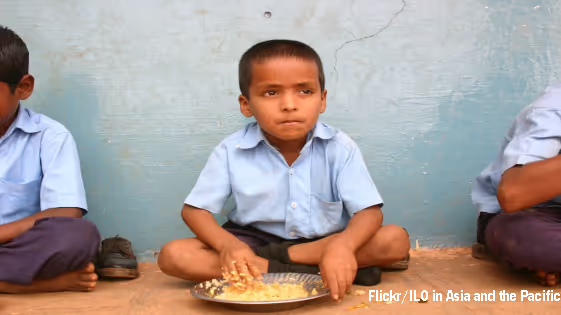
Food insecurity and child malnutrition: New empirical evidence from India
Child malnutrition is among the most pressing public health issues in India today. Equally alarming is the country’s food security crisis. Analysing ‘Young Lives Survey’ data from the states of Andhra Pradesh and Telangana, this article shows that there are sizeable negative effects of food insecurity on children’s nutrition – particularly among those towards the upper end of the health distribution.


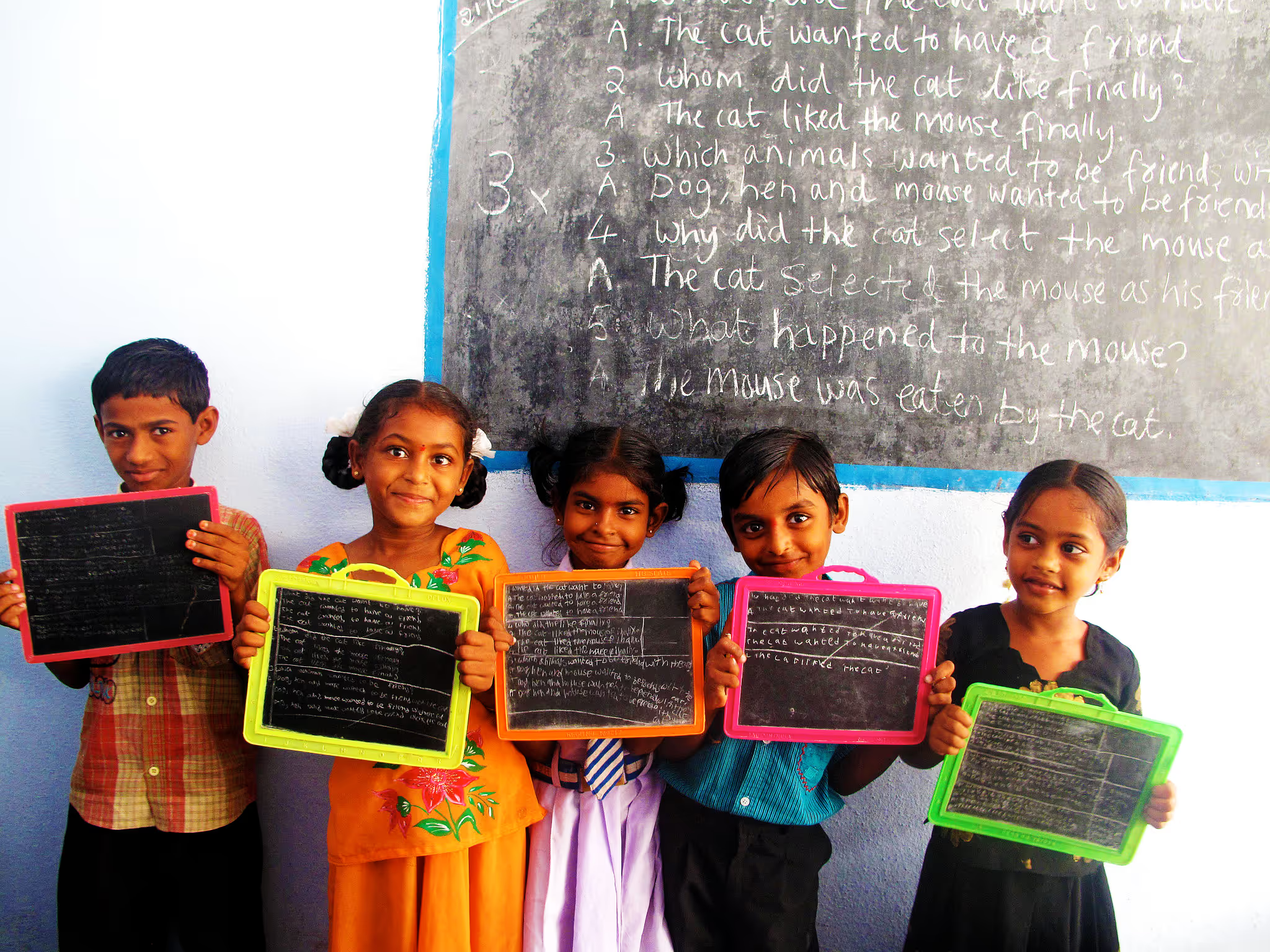
Dynamics of achievement gap between public and private school students
The achievement gap between public and private school students is well-documented in the literature on education in India, but there has not been sufficient focus on the dynamics of this gap over time. Analysing Young Lives Survey data on student test scores from Andhra Pradesh and Telangana, this article suggests that very little convergence is expected, as students make their way through middle and high school.
Sustained health benefits of ICDS: Later life evidence
Child malnutrition is a serious concern for India where more than half of the children under age five are moderately or severely malnourished. The Integrated Child Development Services (ICDS) launched in 1975, target long-term nutrition and holistic development of children. Analysing data from the India Human Development Survey-II, this article evaluates the causal impact of ICDS exposure in rural areas on children’s health outcomes in later years of their lives.
उच्च वर्ग में विवाह (हाइपरगैमी) का अभाव और घरेलू हिंसा
उच्च वर्ग में विवाह (हाइपरगैमी) के अभाव - जब पत्नी की आर्थिक स्थिति उसके पति के बराबर या अधिक होती है, में क्या घरेलू हिंसा में वृद्धि होती है या कमी आती है, इसके बारे में प्राथमिक रूप से अस्पष्टता है। यह लेख वर्ष 2015-2016 के राष्ट्रीय परिवार स्वास्थ्य सर्वेक्षण के आंकड़ों का विश्लेषण करते हुए दर्शाता है कि गैर-हाइपरगैमस विवाहों में पतियों के अपने घर में अधिकार स्थापित करने हेतु हिंसा को एक साधन के रूप में उपयोग करने की अधिक संभावना है। अतः उच्च वर्ग में विवाहों (हाइपरगैमस) की तुलना में गैर-हाइपरगैमस विवाहों में महिलाओं द्वारा घरेलू हिंसा का सामना किए जाने की संभावना कम से कम 14% अधिक है।
Hypergamy violation and domestic violence
Whether violation of hypergamy – when the wife’s economic status equals or exceeds that of her husband’s – increases or decreases domestic violence is a priori ambiguous. Analysing 2015-2016 National Family Health Survey data, this article shows that women in non-hypergamous marriages are at least 14% more likely to face domestic violence than those in hypergamous marriages; as husbands in non-hypergamous marriages are more likely to use violence as an instrument to establish authority at home.

शादी के समय महिलाओं की उम्र घरेलू हिंसा को कैसे प्रभावित करती है?
दुनिया भर में तीन में से एक महिला अपने जीवनकाल में घरेलू हिंसा से प्रभावित होती है। जो महिलाएं घरेलू हिंसा का सामना करती हैं, उन्हें गंभीर प्रतिकूल स्वास्थ्य परिणामों से प्रभावित होने के साथ-साथ भारी आर्थिक खर्च भी उठाने पड़ते हैं। भारत के नवीनतम राष्ट्रीय परिवार स्वास्थ्य सर्वेक्षण के आंकड़ों का विश्लेषण करते हुए, इस आलेख में पुनर्जित और गौरव यह पाते हैं कि महिलाओं की शादी में एक वर्ष की देरी करने से कम गंभीर शारीरिक हिंसा की संभावना 7 प्रतिशत अंकों तक कम हो जाती है और गंभीर शारीरिक हिंसा 4 प्रतिशत अंकों तक।

शादी के समय महिलाओं की उम्र घरेलू हिंसा को कैसे प्रभावित करती है?
दुनिया भर में तीन में से एक महिला अपने जीवनकाल में घरेलू हिंसा से प्रभावित होती है। जो महिलाएं घरेलू हिंसा का सामना करती हैं, उन्हें गंभीर प्रतिकूल स्वास्थ्य परिणामों से प्रभावित होने के साथ-साथ भारी आर्थिक खर्च भी उठाने पड़ते हैं। भारत के नवीनतम राष्ट्रीय परिवार स्वास्थ्य सर्वेक्षण के आंकड़ों का विश्लेषण करते हुए, इस आलेख में पुनर्जित और गौरव यह पाते हैं कि महिलाओं की शादी में एक वर्ष की देरी करने से कम गंभीर शारीरिक हिंसा की संभावना 7 प्रतिशत अंकों तक कम हो जाती है और गंभीर शारीरिक हिंसा 4 प्रतिशत अंकों तक।
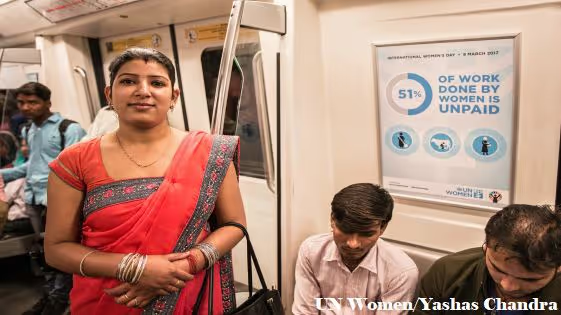
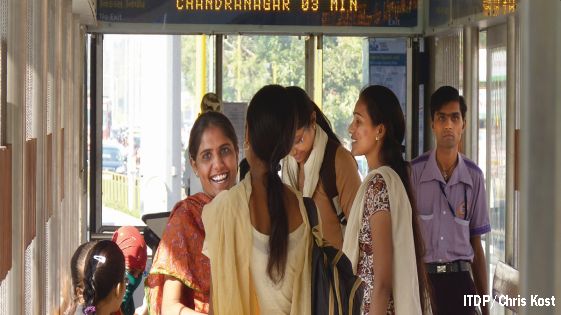
भारत के तेज़ी से बढ़ते शहरीकरण का महिलाओं के सशक्तिकरण पर क्या प्रभाव पड़ता है?
माना जाता है कि शहरी क्षेत्रों में रहने वाली महिलाओं को उनके ग्रामीण समकक्षों की तुलना में अधिक सामाजिक, आर्थिक और राजनीतिक अवसर और स्वतंत्रता प्राप्त होती है। साथ ही, शोध से यह पता चलता है कि शहरी वातावरण में महिला सशक्तिकरण में कई बाधाएँ भी हैं। इस लेख में भारत के तेज़ी से बढ़ते शहरीकरण और लैंगिक असमानता की निरंतरता को ध्यान में रखते हुए, महिलाओं के परिणामों पर शहरीकरण के प्रभाव का विश्लेषण किया गया है और उसके मिलेजुले परिणाम प्राप्त हुए हैं।
What are the effects of India’s rapid urbanisation on women’s empowerment?
Women in urban areas, compared to their rural counterparts, are thought to enjoy greater social, economic, and political opportunities and freedoms. At the same time, research shows barriers to women’s empowerment remain widespread in urban environments. Given India’s rapid urbanisation and the persistence of gender inequality, this article analyses the effect of urbanisation on women's outcomes – and finds mixed results.