
.svg)
.svg)
%201.svg)
%201.svg)
.svg)

.svg)
.svg)
Rupa Chanda
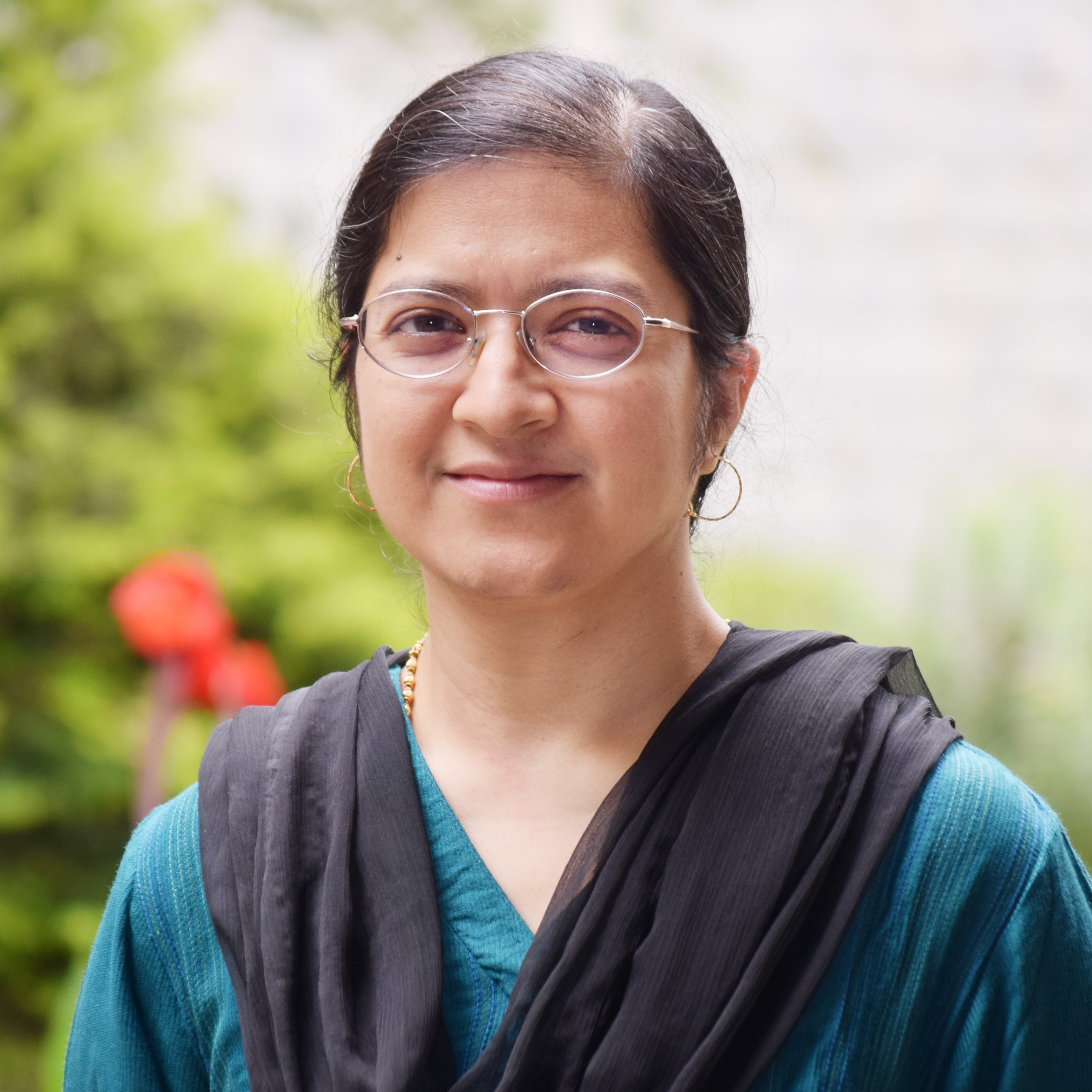
Rupa Chanda is Director of the Trade, Investment and Innovation Division of United Nations Economic and Social Commission for Asia and the Pacific (UNESCAP), and Professor of Economics (on leave) at IIM Bangalore.
Previously, she has worked as an Economist at the International Monetary Fund (IMF) and briefly served as Head of UNESCAP's Sub-regional Office for South and South-West Asia in New Delhi. Prof. Chanda received her Ph.D. in Economics from Columbia University and her Bachelors from Harvard University. She teaches macroeconomics and international trade, and her research interests include the World Trade Organization (WTO), trade in services, regional integration, and migration. She has undertaken research and professional assignments for international and Indian organisations, and has been published extensively in books, journal articles, book chapters, and reports. She is also a research guide, reviewer, and member of several expert committees. She was member of the WHO’s Review Committee on the functioning of International Health Regulations (2015-16), and the WHO’s Expert Advisory Group, International Recruitment of Health Personnel (2019-20).
.svg)

How tradable services can aid the jobs challenge in India
Although the rising demand for services has led to its increased contribution to employment in many developing countries and globally, India's growth in services has not translated into a proportionate increase in employment. Rupa Chanda examines two factors which need to be considered if services are to play a bigger role in job creation– improving the quality of jobs along with increasing formalisation of labour, and investing in skills and training to face technological changes.


Global value chain participation and intermediate export sophistication
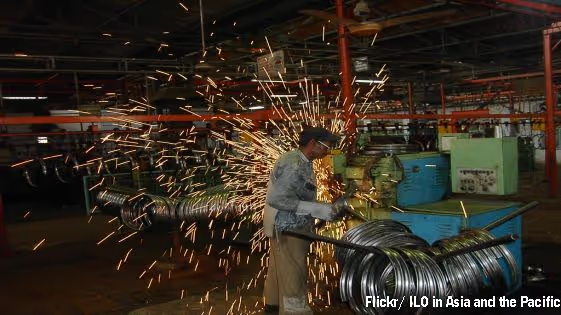
While the dominance of global value chains (GVCs) in production processes is a widely accepted fact, the impact of participation in GVCs is still being explored. Using data from a sample of 100 nations for 1999-2018, this article examines the improvement in productivity brought about by GVC participation, and its role in the upgradation of intermediate exports – the main channel through which countries participate in GVCs.