
.svg)
.svg)
%201.svg)
%201.svg)
.svg)

.svg)
.svg)
Chandan Jain

Chandan Jain is an Evaluation Specialist at 3ie's Delhi Office and he supports 3ie’s livelihoods programmes, including the National Rural Livelihoods Mission impact evaluation, evaluation of the HMF’s Collective Impact Initiative, and the Women’s Social and Economic Inclusion and Empowerment in India Evidence Programme. His work at 3ie focuses on providing technical and management support to the ongoing impact evaluation under the 3ie’s livelihoods programmes. Chandan holds a Ph.D. in Economics from Shiv Nadar University and a Masters in economics from TERI University, India.
.svg)

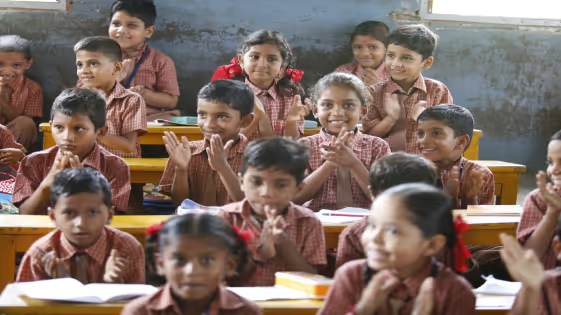
क्या स्कूल प्रबंधन में महिलाओं का प्रतिनिधित्व बढाने से स्कूल की गुणवत्ता में सुधार होता है?
वर्ष 2009 में लागू किये गए शिक्षा का अधिकार अधिनियम (आरटीई) ने सामुदायिक भागीदारी के माध्यम से स्कूलों में जवाबदेही में सुधार लाने हेतु सार्वजनिक और निजी सहायता-प्राप्त स्कूलों को स्कूल प्रबंधन समितियों (एसएमसी) का गठन करने के लिए अनिवार्य किया। यह लेख स्कूलों के बारे में वर्ष 2012-2018 के बीच के भारतीय प्रशासनिक डेटा और एएसईआर (शिक्षा की वार्षिक स्थिति रिपोर्ट) डेटा का उपयोग करते हुए, दर्शाता है कि स्कूल प्रबंधन समितियों में महिलाओं का अधिक प्रतिनिधित्व उस स्कूल की उच्चतम गुणवत्ता से जुड़ा है; जिसे तैनात किए गए शिक्षकों की संख्या, शिक्षकों की शैक्षणिक योग्यता, शैक्षणिक संसाधन, स्कूल में छात्रों के दाखिले, और शिक्षा प्राप्त करने के परिणाम के संदर्भ में मापा गया है।


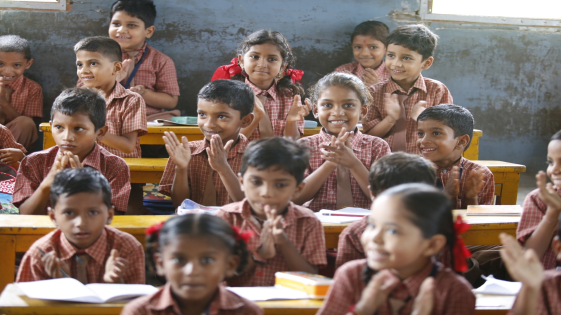
Does increasing female representation in school management improve school quality?
The 2009 Right to Education Act (RTE) mandated public and private aided schools to constitute School Management Committees (SMCs) to improve accountability in schools through community participation. Using 2012-2018 Indian administrative data on schools and ASER (Annual Status of Education Report) data, this article shows that higher female representation in SMCs is associated with higher school quality, measured in terms of number of teachers hired, qualification of teachers, academic resources, student enrolment, and learning outcomes
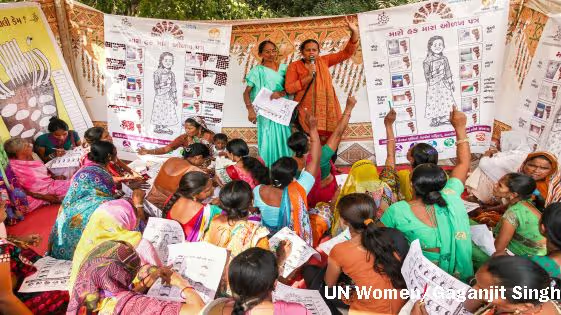
स्वयं-सहायता समूहों में जाति आधारित मतभेद: ग्रामीण आजीविका कार्यक्रम से साक्ष्य
राष्ट्रीय ग्रामीण आजीविका मिशन (एनआरएलएम) का उद्देश्य ग्रामीण परिवारों की आय में वृद्धि करना और उनके कल्याण में सुधार लाना है। इस लेख में, भारत में नौ राज्यों के सर्वेक्षण डेटा का उपयोग करते हुए, एनआरएलएम कार्यक्रम के भीतर स्वयं-सहायता समूहों में व्याप्त जाति-आधारित मतभेदों के अस्तित्व का विश्लेषण किया गया है। यह पाया गया कि वंचित समूहों के सदस्यों की भी समान रूप से पदाधिकारी के रूप में चुने जाने की संभावना है। नेतृत्ववाले पदों में वंचित समूहों के प्रतिनिधित्व से वंचित समूह के सदस्यों के बीच भागीदारी, लाभों तक पहुंच और अन्य संबंधित परिणामों में वृद्धि होती है।
Caste-based differences in self-help groups: Evidence from a rural livelihood programme
The National Rural Livelihood Mission aims to increase income and improve wellbeing for rural households. Using survey data from nine states in India, this article analyses the existence of caste-based differences in self-help groups within the NRLM programme. It finds that members of disadvantaged groups are equally likely to be elected as an office bearer. Further representation of disadvantaged groups in leadership positions increases participation, access to benefits and other related outcomes amongst members from the disadvantaged group.
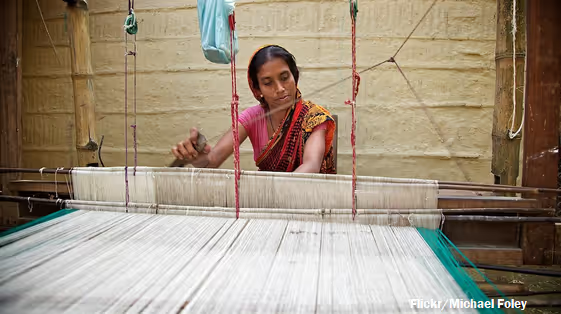
पीढ़ी-दर-पीढ़ी बुनाई : ग्रामीण भारत में पारिवारिक व्यवसायों में उत्पादकता लाभ
हर साल 12 फरवरी को मनाए जाने वाले राष्ट्रीय उत्पादकता दिवस का उद्देश्य अर्थव्यवस्था में उत्पादकता, नवाचार और निपुणता के महत्त्व पर ज़ोर देना है। इसी सन्दर्भ में प्रस्तुत इस लेख में पारिवारिक स्वामित्व वाले बुनाई उद्यम की चर्चा की गई है। आंध्र प्रदेश और तेलंगाना में बुनाई का कार्य अक्सर एक पारिवारिक उद्यम है। 1,800 से अधिक परिवारों के डेटा का उपयोग करते हुए, हैममेकर एवं अन्य द्वारा किया गया मिश्रित-विधियों का मूल्याँकन यह दर्शाता है कि पीढ़ी-दर-पीढ़ी बुनाई व्यवसाय में जुटे परिवार बुनाई कार्य में अधिक कमाते हैं और केवल एक पीढ़ी के बुनकरों वाले परिवारों की तुलना में उनकी पारिवारिक आय अधिक होती है। हालाँकि, पाया गया कि उत्पादकता के ये लाभ पूरे परिवार में समान रूप से वितरित नहीं होते हैं, क्योंकि वे उन महिला बुनकरों के लिए विस्तृत एजेंसी के रूप में तब्दील नहीं होते जो इन व्यवसायों का हिस्सा होती हैं।

Weaving through generations: Productivity gains in family-owned businesses in rural India
In Andhra Pradesh and Telangana, weaving is often a family enterprise. Using data from over 1,800 households, this ongoing mixed-methods evaluation by Patel et al. shows that households with multi-generational weaving businesses earn more in weaving revenue and have greater household incomes relative to households with only one generation of weavers. However, it notes that these gains in productivity are not equally distributed across the household, as they do not translate into greater agency for the women weavers who are part of family-owned businesses.