
.svg)
.svg)
%201.svg)
%201.svg)
.svg)

.svg)
.svg)
.svg)
Why next-generation economic reforms are crucial for reviving investment
.svg)

.svg)

Macroeconomics

Food, fuel, and facts: Distributional effects of global price shocks
The recent upsurge in global prices of essential commodities of food and fuel, warrants an analysis of the distributional ramifications, especially within developing economies. This article examines Indian household consumption and income data, and finds that on average, increases in these prices adversely affects consumption in the country. While rise in food prices unequivocally exacerbates consumption inequality, the effect of oil prices is more nuanced.


What will it take for the Indian economy to break out of the lower-middle-income bracket?
In 2007, India moved from the low-income to lower-middle-income category, as per the World Bank’s classification of countries by income. With clear aspirations to graduate into the higher brackets of income, what will it take for India to make it? Speaking at the launch event of Ashoka’s University’s Isaac Centre for Public Policy (ISPP), experts including Rakesh Mohan (former Governor of the Reserve Bank of India), Anup Wadhawan (former officer of the Indian Administrative Service) and Prachi Mishra (Chief of the Systemic Issues Division, International Monetary Fund) discuss ideas for achieving faster structural transformation of the economy, strengthening State capacity, catching the bus for labour-intensive manufacturing, empowering urban local government, and consolidating public debt.
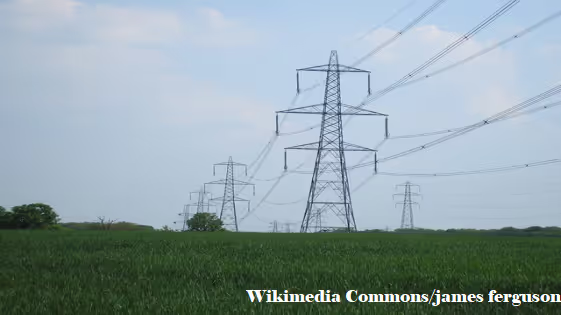
Does rural electrification cause economic development?
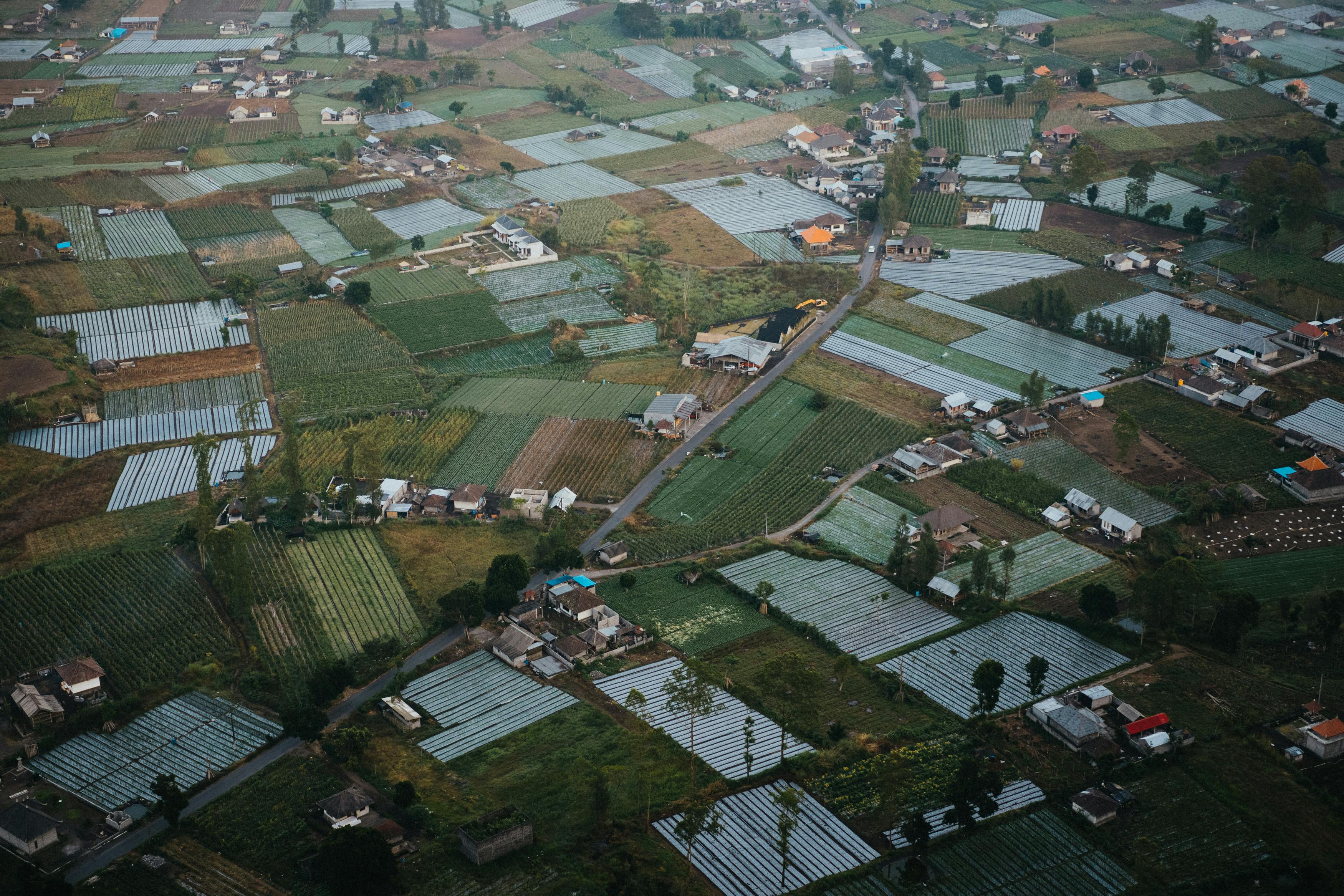
The last unelectrified Indian village is now connected to the grid. Given the large investments required for these infrastructure projects, value-for-money is an important consideration. Examining the impact of the Rajiv Gandhi Rural Electrification Programme, which expanded electricity access in 400,000 villages during 2005-2011, this article shows that the economic benefits of the intervention likely do not outweigh the costs below a certain population threshold.
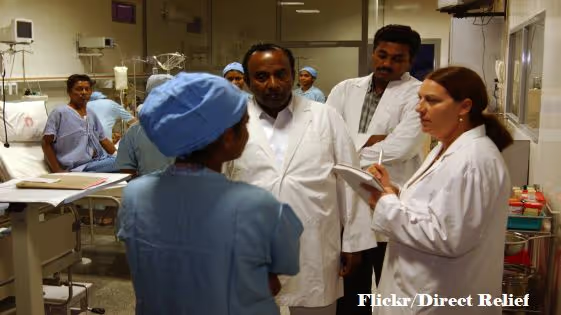
Interim Budget 2024-25: Are we on track to achieve healthcare for all?
The National Health Policy, 2017 set a target of increasing India’s health expenditure to 2.5% of its gross domestic product by 2025. In this post, Sayamsiddha decodes the recently presented Interim Budget, with a spotlight on outlays for health programmes. In her view, the government should complement their current focus on insurance models and private sector role with adequate and effective public provisioning of healthcare.
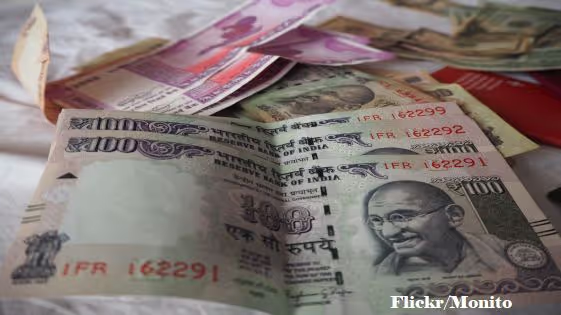
Budget 2024-25: A countercyclical approach to fiscal policy
Keynes propounded that fiscal policy should be countercyclical in nature – expansionary during recession and contractionary during periods of boom. In this post, Aakanksha Shrawan analyses India’s Interim Union Budget for 2024-25, as well as trends in the discretionary spending component of government’s fiscal policy in recent years. She concludes that India seems to be on track towards sound debt management and a higher degree of countercyclicality in fiscal management.
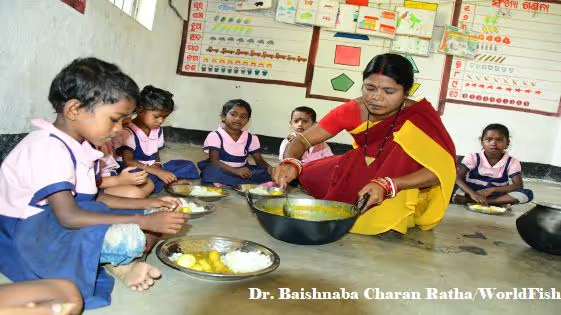
Growth, well-being and distribution in the last decade – II
In the first part of this two-part series, Balakrishnan and Parameswaran presented an assessment of the performance of the Indian economy on macroeconomic indicators. In this post, they focus on well-being indicators – including those pertaining to health, sanitation and housing, poverty, and food security – followed by a discussion of the likely change that may have occurred in the distribution of income.

Sign up to our newsletter to be notified about the latest updates
.svg)
Just One Step Away!
Complete your signup to start getting the latest news, stories, and updates delivered straight to your inbox.