
.svg)
.svg)
%201.svg)
%201.svg)
.svg)

.svg)
.svg)
Sanchari Roy

Sanchari Roy is Senior Lecturer (Associate Professor) in Development Economics at King’s College London. Her main area of research is development economics. In particular, her work focuses on examining the various types of constraints faced by developing countries in the process of poverty alleviation and economic development. One of the core themes of her research is to understand the role of gender constraints in perpetuating poverty, with special focus on female inheritance rights. A second theme of Sanchari’s research centers around examining the challenges faced in providing effective public service delivery in developing countries, with particular emphasis on the role of information constraints. A third theme of her research explores the role of psychological constraints in perpetuating poverty, focusing in particular on non-cognitive skills and mental health.
.svg)


Improving Access to and Measuring the Impact of Public Health Insurance in India
This project aims to add to the broad literature on improving the quality of public services by looking at the effect of providing incentives to agents for spreading information regarding a government-funded health insurance programme on the level of programme knowledge and enrolment among beneficiaries.


Improving Access to and Measuring the Impact of Public Health Insurance in India
This project aims to add to the broad literature on improving the quality of public services by looking at the effect of providing incentives to agents for spreading information regarding a government-funded health insurance programme on the level of programme knowledge and enrolment among beneficiaries.
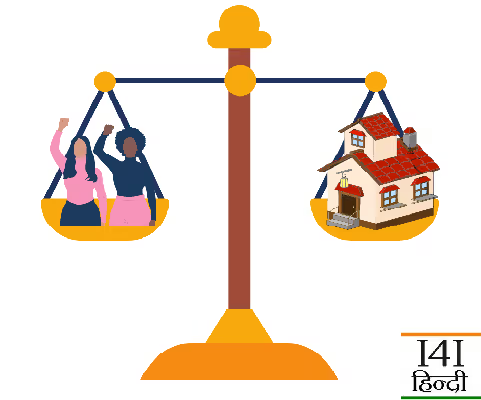
भारत में महिलाओं के विरासत के अधिकार और पुत्र की प्राथमिकता
भारत में अस्वाभाविक रूप से पुरुष-पक्षपाती जनसंख्या लिंग-अनुपात का एक महत्वपूर्ण कारण भारतीय माता-पिता की पुत्र होने की महत्वाकांक्षा है। यह लेख इस बात की पड़ताल करता है कि उनकी यह इच्छा किस हद तक उनकी बेटियों की तुलना में बेटों की मजबूत आर्थिक स्थिति से प्रेरित है - विशेष रूप से पैतृक संपत्ति के संदर्भ में। इस लेख यह पता चलता है कि महिलाओं और पुरुषों की विरासत के अधिकारों को समान करने से कन्या भ्रूण-हत्या में वृद्धि हुई और यह भी दर्शाता है कि सामाजिक मानदंड कानूनी सुधार में बाधा बने हुए हैं।
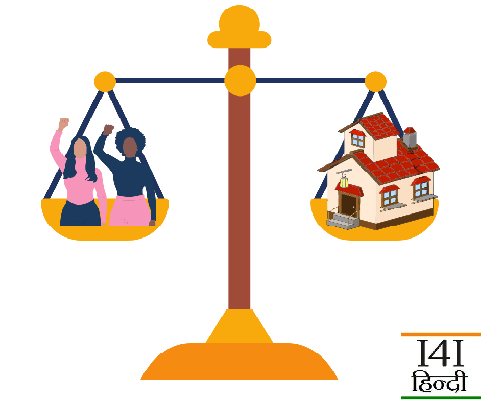
भारत में महिलाओं के विरासत के अधिकार और पुत्र की प्राथमिकता
भारत में अस्वाभाविक रूप से पुरुष-पक्षपाती जनसंख्या लिंग-अनुपात का एक महत्वपूर्ण कारण भारतीय माता-पिता की पुत्र होने की महत्वाकांक्षा है। यह लेख इस बात की पड़ताल करता है कि उनकी यह इच्छा किस हद तक उनकी बेटियों की तुलना में बेटों की मजबूत आर्थिक स्थिति से प्रेरित है - विशेष रूप से पैतृक संपत्ति के संदर्भ में। इस लेख यह पता चलता है कि महिलाओं और पुरुषों की विरासत के अधिकारों को समान करने से कन्या भ्रूण-हत्या में वृद्धि हुई और यह भी दर्शाता है कि सामाजिक मानदंड कानूनी सुधार में बाधा बने हुए हैं।

Mirror, mirror on the wall, which is the most dynamic state of them all?
This column analyses the economic performance of 16 major Indian states over the last three decades. It finds that Bihar has improved the most during the 2000s, Kerala has always been a star performer in terms of HDI, Rajasthan has achieved the maximum decline in inequality, Tamil Nadu tops in poverty reduction, and the levels and growth rates of per capita income of Maharashtra and Gujarat have consistently been the highest. However, no one state can be singled out as the top performer in the 2000s. Moreover, while Gujarat’s overall record is undoubtedly very good all through the last three decades, its performance in the 2000s does not seem to justify the wild euphoria and exuberant optimism about Modi’s economic leadership. In particular, there is no evidence of any significant growth acceleration in Gujarat in the 2000s.
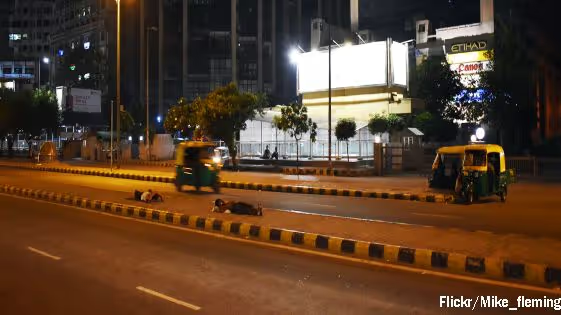
कोविड-19 संकट ने शहरी गरीबों को कैसे प्रभावित किया है? एक फोन सर्वेक्षण के निष्कर्ष-III
हालांकि भारत में कोविड-19 की दूसरी लहर के सार्वजनिक स्वास्थ्य पर विनाशकारी प्रभाव को सभी जानते हैं परंतु इसके आर्थिक और मनोवैज्ञानिक आयामों पर अपेक्षाकृत कम साक्ष्य उपलब्ध है। दिल्ली के औद्योगिक समूहों में सर्वेक्षण के आधार पर अफरीदी और अन्य ने गरीबों, अनौपचारिक श्रमिकों की आजीविका एवं मानसिक स्वास्थ्य पर महामारी के आज तक के विभिन्न चरणों के गतिशील प्रभावों की जांच की तथा महिलाओं और पुरुषों के अनुभवों की तुलना की है।
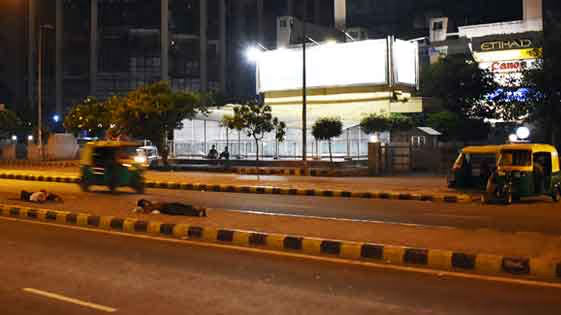
How has the Covid-19 crisis affected the urban poor? Findings from a phone survey - III
While the devastating impact of the second Covid-19 on public health in India is well-known, there is relatively little evidence on its economic and psychological dimensions. Based on surveys in industrial clusters of Delhi, Afridi et al. examine the dynamic effects of the different phases of the pandemic, on livelihoods and mental health of poor, informal workers – and how the experiences of women and men compare.

कोविड-19 संकट ने शहरी गरीबों को कैसे प्रभावित किया है? फोन सर्वेक्षण के निष्कर्ष - II
हालांकि कई टिप्पणीकारों ने चल रहे कोविड-19 संकट के कारण प्रवासियों की दुर्दशा को उजागर किया है, परंतु शहरी झुग्गी-झोंपडी बस्तियों में रह रहे कम आय वाले परिवारों के बारे में कम ही ज्ञात है। अफरीदी, ढिल्लों एवं रॉय ने 24 मार्च को कोविड लॉकडाउन की घोषणा के बाद दिल्ली के औद्योगिक क्षेत्रों में परिवारों के यादृच्छिक प्रतिदर्श के बीच, उनकी आजीविका और शारीरिक एवं भावनात्मक कल्याण पर प्रभाव का आकलन करने के लिए 3 अप्रैल को फोन-सर्वेक्षण करना शुरू किया। हाल ही के अपने नोट में, शोधकर्ताओं ने लॉकडाउन की प्रारंभिक, अधिक कठोर अवधि (3 से 19 अप्रैल) के निष्कर्षों पर चर्चा की। इस अनुवर्ती नोट में, वे प्रतिबंधों में कुछ रियायतों के साथ लागू लॉकडाउन के दूसरे चरण (20 अप्रैल से 3 मई) के निष्कर्षों की रिपोर्ट करते हैं।
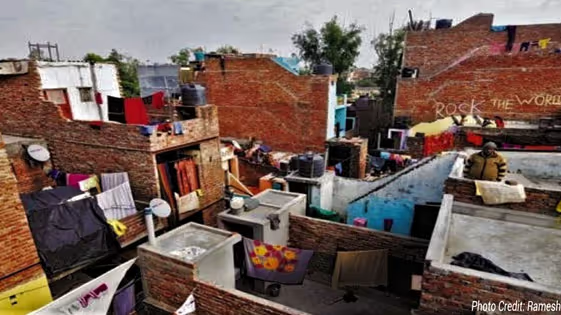
कोविड-19 संकट ने शहरी गरीबों को कैसे प्रभावित किया है? - फोन सर्वेक्षण के निष्कर्ष - I
यद्यपि कई टिप्पणीकारों ने वर्तमान कोविड-19 संकट के कारण प्रवासियों की दुर्दशा पर प्रकाश डाला है, परंतु शहरी झुग्गी झोंपडी बस्तियों में रह रहे कम आय वाले परिवारों के बारे में बहुत कम ज्ञात है। इस नोट में, अफरीदी, ढिल्लों एवं रॉय ने दिल्ली के औद्योगिक क्षेत्रों में 413 परिवारों के नमूनों के आधार पर उनकी आजीविका, एवं शारीरिक और भावनात्मक कल्याण पर प्रभाव के संबंध में फोन सर्वेक्षण द्वारा प्राप्त निष्कर्षों पर चर्चा की है। वे इस संकट के लिंग आधारित अनुभव में भी कुछ अंतर्दृष्टि प्रदान करती हैं।
How has Covid-19 crisis affected urban poor? Findings from a phone survey - II
While several commentators have highlighted the plight of migrants due to the ongoing Covid-19 crisis, less is known about how low-income families living in urban shanty towns are faring. Afridi et al. began conducting a phone survey on 3 April – after the Covid lockdown was announced on 24 March – among a sample of households in the industrial areas of Delhi, to assess the impact on their livelihoods, and physical and emotional well-being. In their recent note, the researchers discussed findings from the initial, more stringent period of the lockdown (3-19 April). In this follow-up note, they report findings from Phase 2 of the lockdown, following some easing of restrictions (20 April-3 May).

How has Covid-19 crisis affected the urban poor? Findings from a phone survey - I
While several commentators have highlighted the plight of migrants due to the ongoing Covid-19 crisis, less is known about how low-income families living in urban shanty towns are faring. In this note, Afridi et al. discuss findings from a phone survey of a sample of 413 households in the industrial areas of Delhi, on the impact on their livelihoods, and physical and emotional well-being. They also provide some insights into the gendered experience of this crisis.