
.svg)
.svg)
%201.svg)
%201.svg)
.svg)

.svg)
.svg)

.svg)

.svg)
.svg)
.svg)




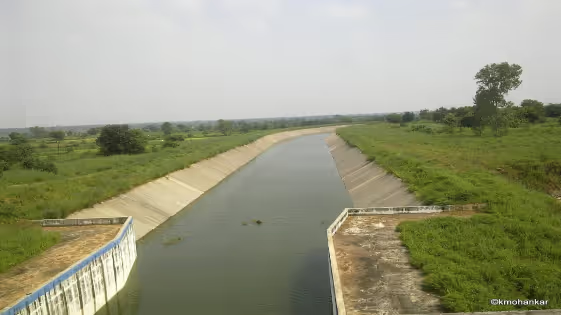
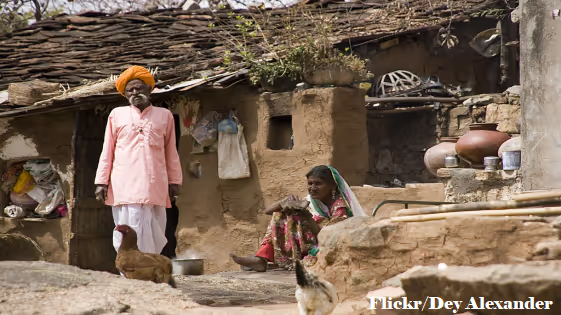
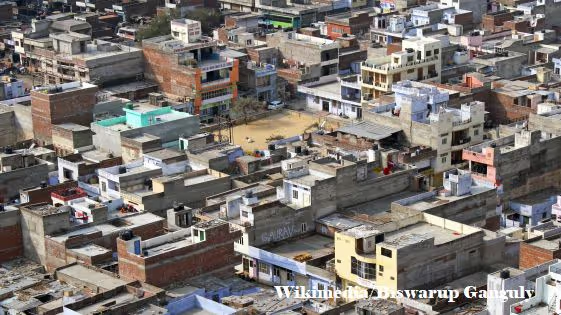
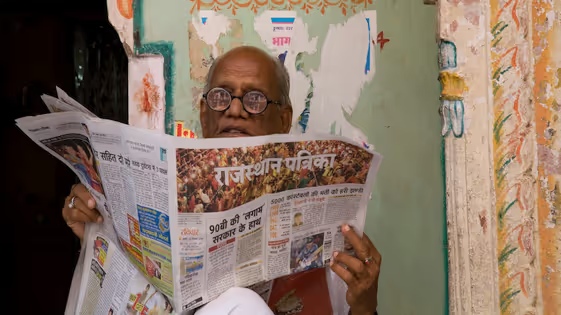
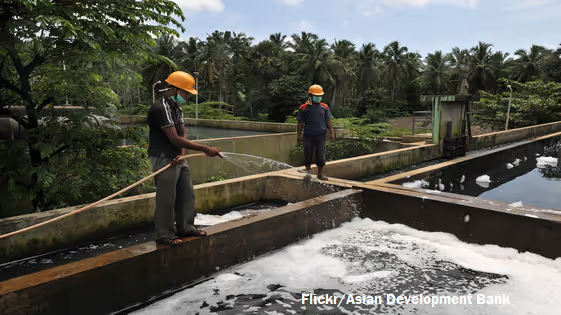
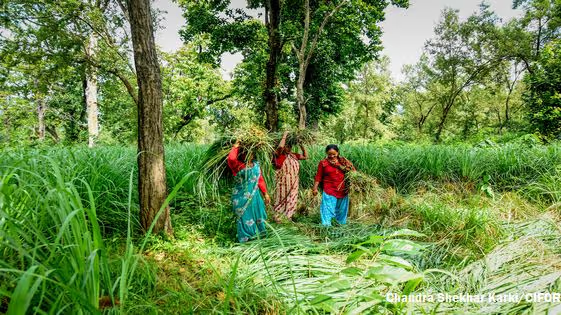
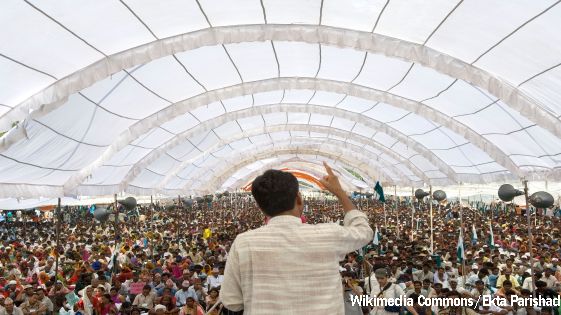
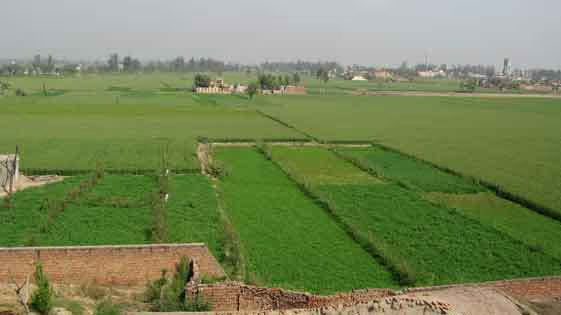
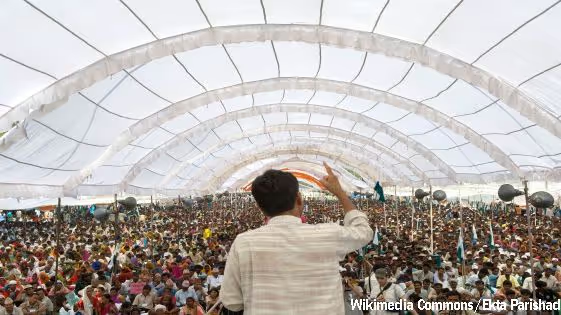
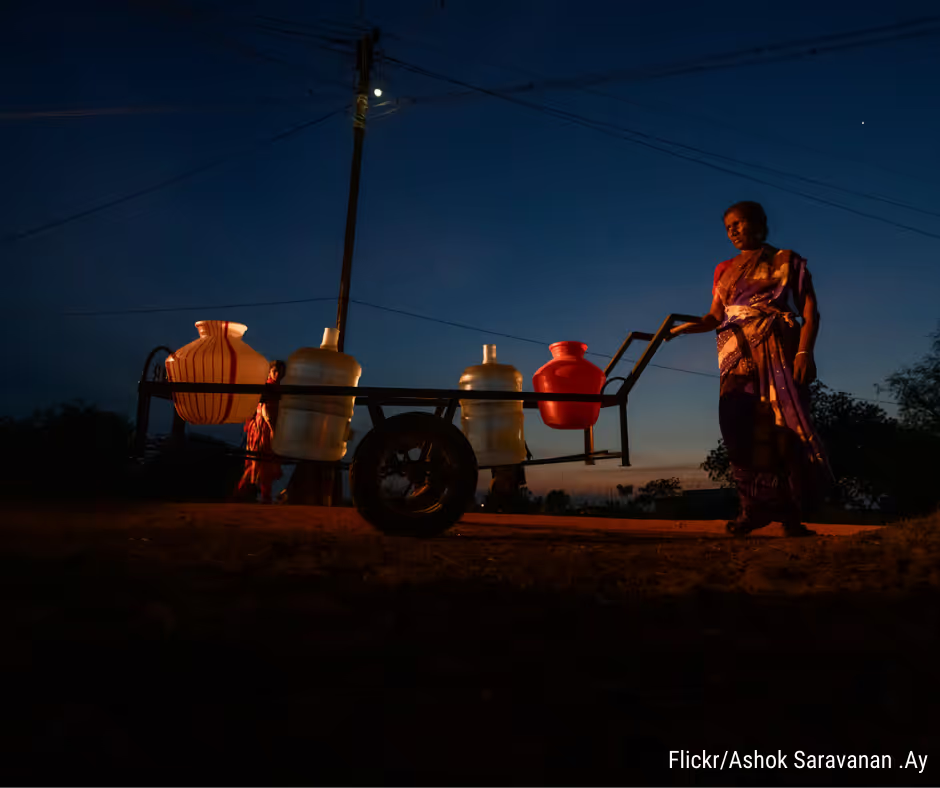
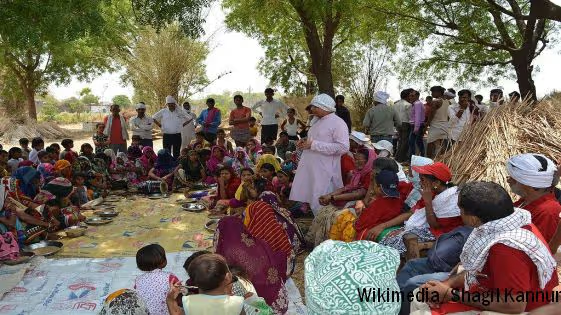
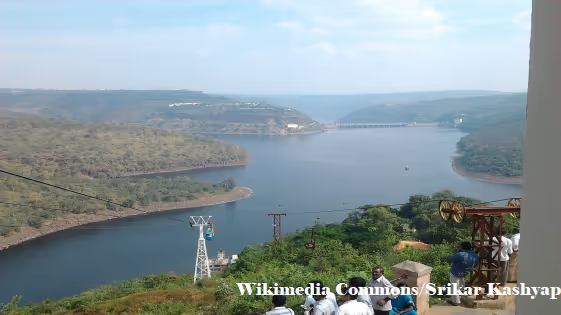
This project documents patterns of rural-urban migration and employment shifts in a region that is facing ongoing depletion of groundwater resources in northern Gujarat in India. Given that migration typically does not occur due to one singular risk, this study assesses the multifactoral drivers of migration. Survey results reveal that migration and employment shifts are dominated by the Patel caste, which is the dominant landowning caste in the region. Migration by younger males in this group is highly prevalent, and is correlated with the degree of water depletion, land scarcity, and family ties to workers who have previously migrated to urban areas. Among castes with traditionally little or no land ownership, migration rates are much lower. These results suggest that social and economic factors, including caste type, land holding size, and social networks, mediate the ability of households to respond to groundwater depletion via migration to urban centres.


















































.svg)

.svg)
%201.svg)
.svg)
.svg)
