
.svg)
.svg)
%201.svg)
%201.svg)
.svg)

.svg)
.svg)

.svg)

.svg)
.svg)
.svg)




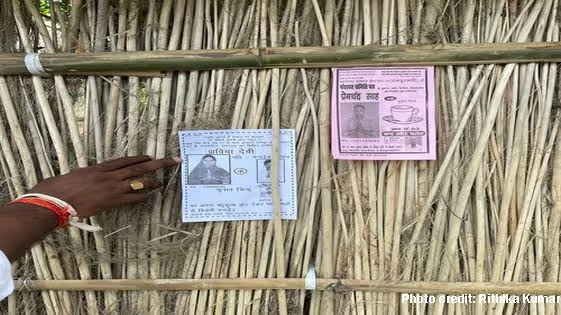
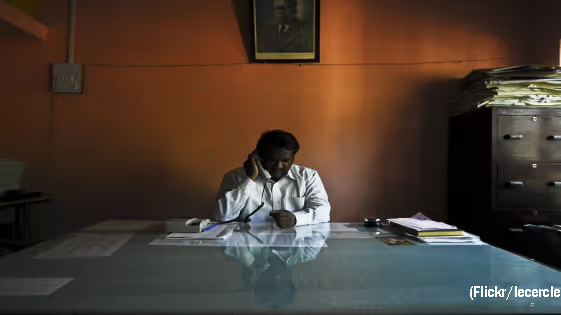
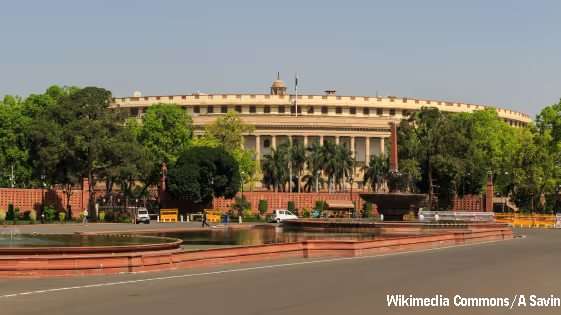
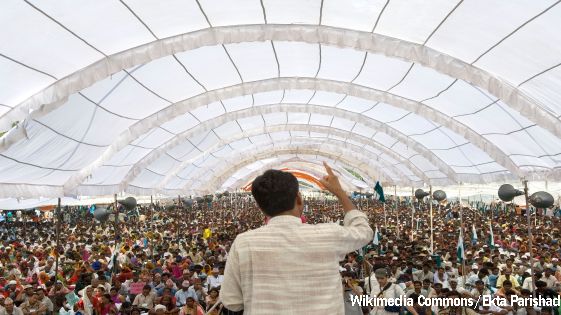
The recent increase in the number of criminally-accused politicians elected to state assemblies has caused much furore in India. Despite the potentially important consequences and the widely divergent views, the implications of their elections to state legislative assemblies on constituency-level economic performance are unknown. This project aims to examine the impact of electing criminally-accused politicians on different kinds of public goods provision, and whether the economic costs vary by the type of accusations. It also asks the question that if the costs of criminal politicians are so high, why is it that they end up getting elected?



Subscribe Now
Thank you! Your submission has been received!
Oops! Something went wrong while submitting the form.






















































.svg)

.svg)
%201.svg)
.svg)
.svg)
