
.svg)
.svg)
%201.svg)
%201.svg)
.svg)

.svg)
.svg)

.svg)

.svg)
.svg)
.svg)



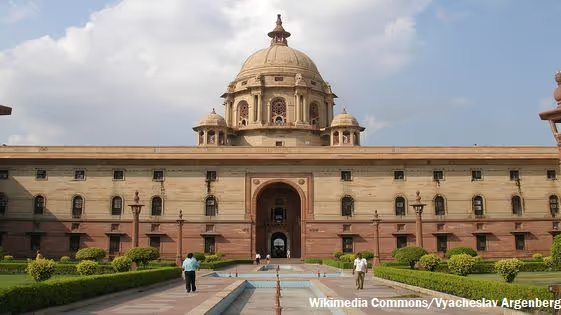
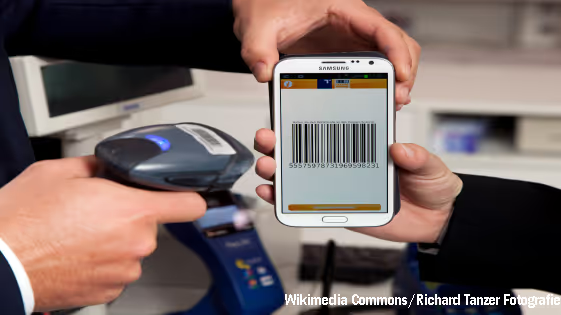
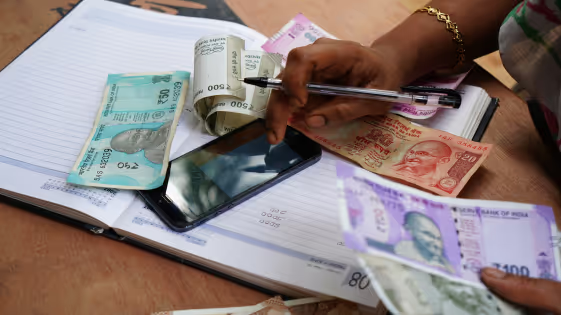
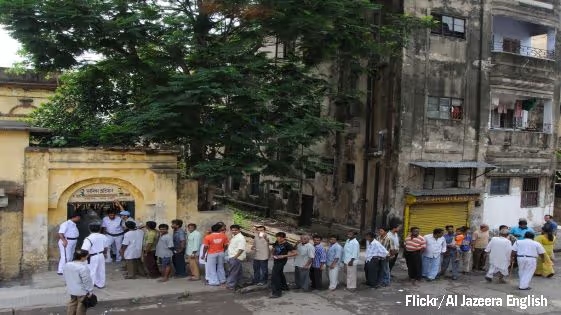
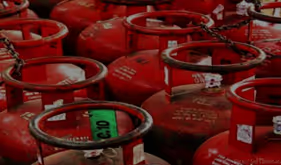
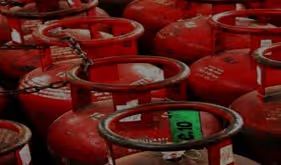
In many developing countries, pervasive corruption and evasion often undermine the provision of public programmes. This project focusses on India where a large universal programme provides US$ 8 billion in fuel subsidies for domestic cooking. The subsidy given to households, combined with taxes on commercial users, gives rise to a black market, where fictitious 'ghost' beneficiaries are used to divert the subsidy from the domestic to the commercial sector. This project studies the impact of a major policy change by the Indian government to curb leakage in welfare delivery. It finds that directly transferring subsidies to households reduces fuel purchases in the domestic fuel sector by 11% to 14%, suggesting a reduction in subsidy diversion.
































.svg)

.svg)
%201.svg)
.svg)
.svg)
