
.svg)
.svg)
%201.svg)
%201.svg)
.svg)

.svg)
.svg)
.svg)
.svg)

.svg)
.svg)
.svg)



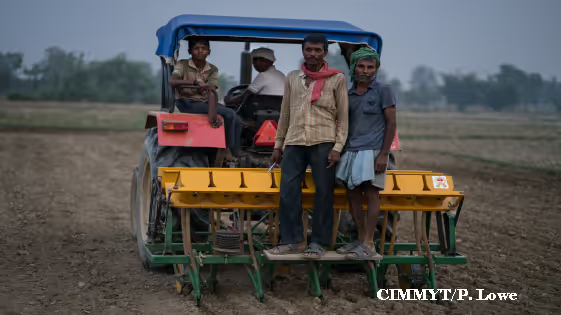
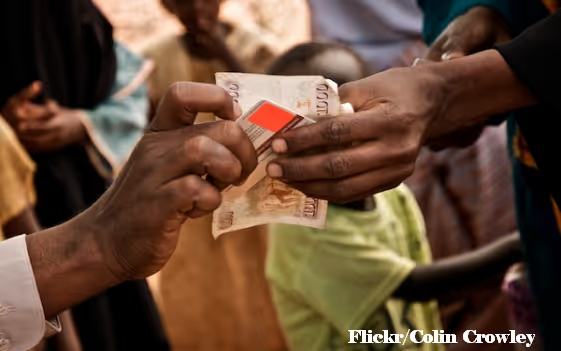
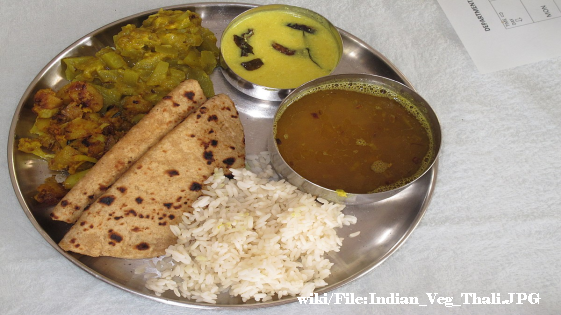
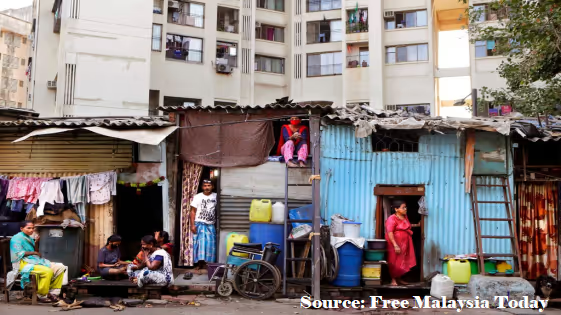
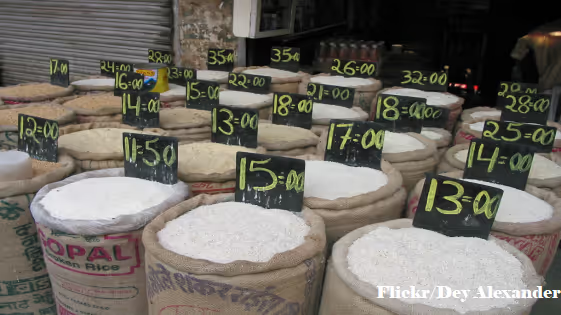
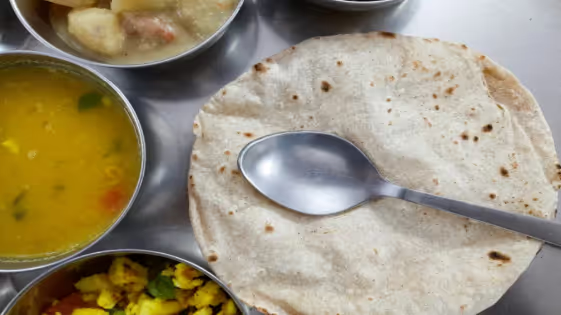
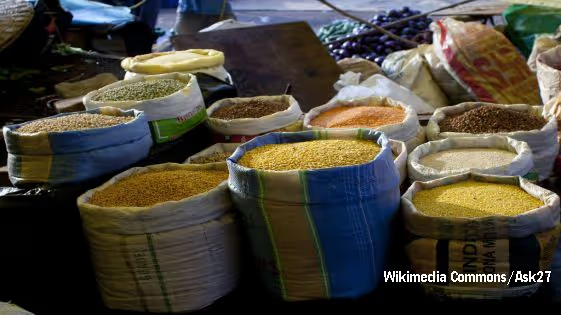
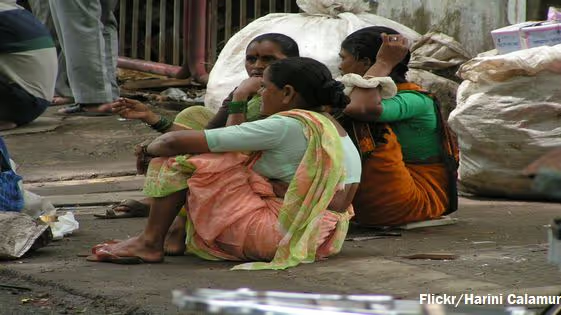
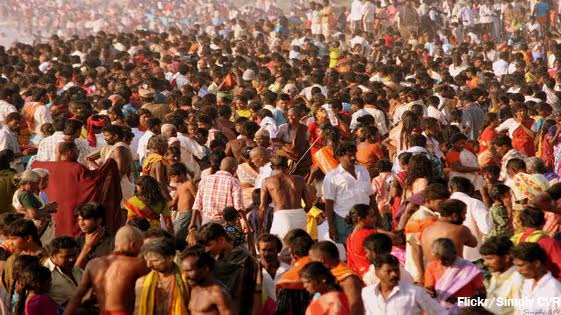
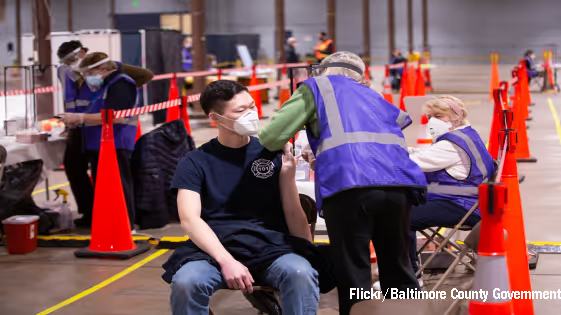
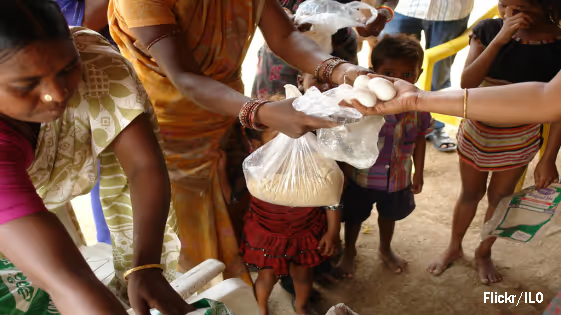
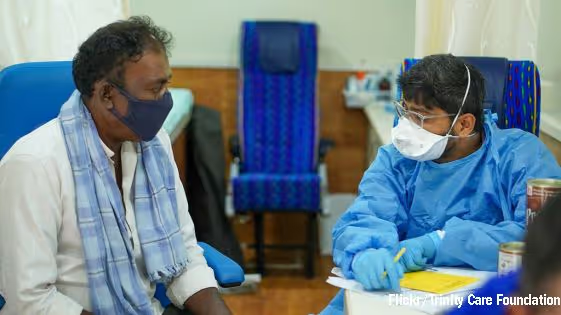
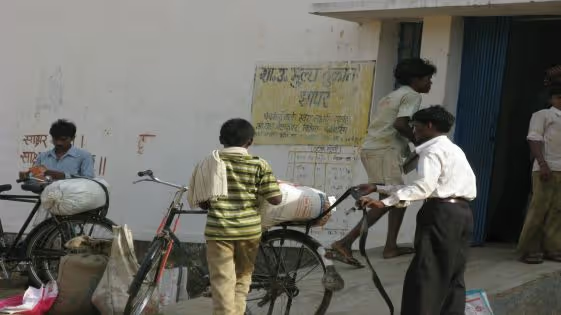
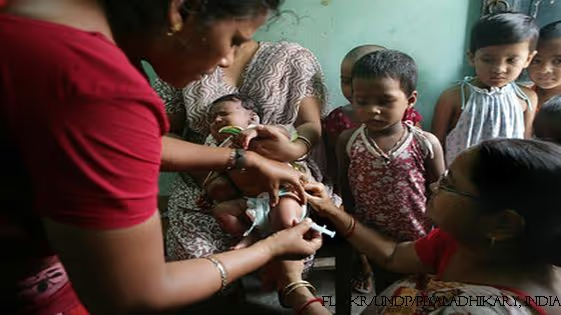
This project makes an attempt to incorporate benefits from unpaid public services into consumption decisions to arrive at more accurate measures of poverty and inequality. The project considered three types of public services: schooling, health care and subsidised food grains through the Public Distribution System (PDS). The findings showed that accounting for the use of these services leads to a narrowing of the consumer expenditure distribution and lower inequality in Bihar because the poor utilise public facilities more intensively than other households.


Subscribe Now
Thank you! Your submission has been received!
Oops! Something went wrong while submitting the form.










.svg)

.svg)
%201.svg)
.svg)
.svg)
