
.svg)
.svg)
%201.svg)
%201.svg)
.svg)

.svg)
.svg)

Building State capacity for accelerating development through effective governance
.svg)

.svg)

Governance
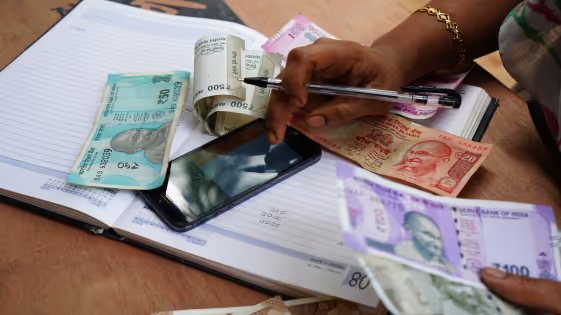
Improving public service delivery by fixing payment systems
Fixing how funds flow through the government systems grabs far fewer headlines than malnutrition, problems in the education sector, or crumbling infrastructure. In this post, Charity Troyer Moore contends that payment systems are fundamental to improving these development outcomes, and challenges to them pervade government functioning across sectors, programmes, and locations. She examines the key issues, and what Budget 2022-23 can do to fix them.


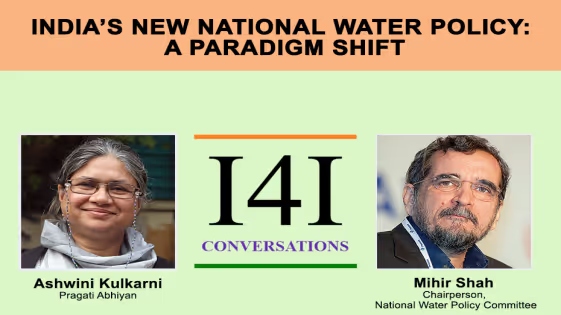
India’s new National Water Policy: A paradigm shift
In 2019, the Ministry of Jal Shakti set up a committee of independent experts – led by Dr Mihir Shah – to draft a new National Water Policy. To examine the recommendations made by the Committee, Ashwini Kulkarni speaks with Mihir Shah, beginning with a discussion of the key issues constituting the water crisis facing India today – in terms of dichotomies such as agriculture and industry use, rural and urban issues, quality and quantity of water, and so on. Dr Shah explains how the new Policy is a shift away from a supply-centric approach involving dam construction and groundwater extraction, to the management of the demand and distribution of water. He emphasises the importance of weaving our interventions into the contours of nature, rather than having a “command and control” relationship with nature – a lesson that is especially relevant in Covid times. Within the wider context of climate change, drying rivers and falling water tables, Shah noted that the past is no longer a reliable
India’s new National Water Policy: A paradigm shift
In 2019, the Ministry of Jal Shakti set up a committee of independent experts – led by Dr Mihir Shah – to draft a new National Water Policy. To examine the recommendations made by the Committee, Ashwini Kulkarni speaks with Mihir Shah, beginning with a discussion of the key issues constituting the water crisis facing India today – in terms of dichotomies such as agriculture and industry use, rural and urban issues, quality and quantity of water, and so on. Dr Shah explains how the new Policy is a shift away from a supply-centric approach involving dam construction and groundwater extraction, to the management of the demand and distribution of water. He emphasises the importance of weaving our interventions into the contours of nature, rather than having a “command and control” relationship with nature – a lesson that is especially relevant in Covid times. Within the wider context of climate change, drying rivers and falling water tables, Shah noted that the past is no longer a reliabl
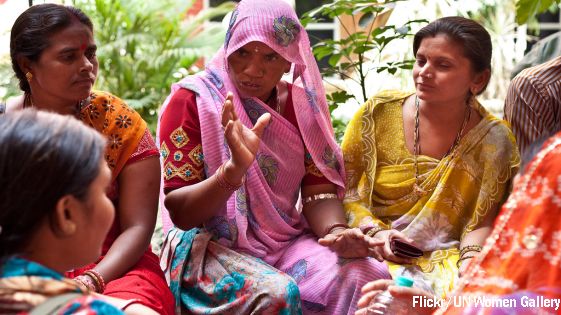
She wins: Electing women in ethnically divided societies
The Indian Constitution reserves a minimum of 33% of village council head positions for women, and Bihar is among the nine states that have opted for 50% reservation. This note investigates how gender, caste, political campaigns, and experiences of discrimination intersect in the state-level democratic process in Bihar. In particular, it seeks to identify the key factors that impact the electoral success of women candidates.
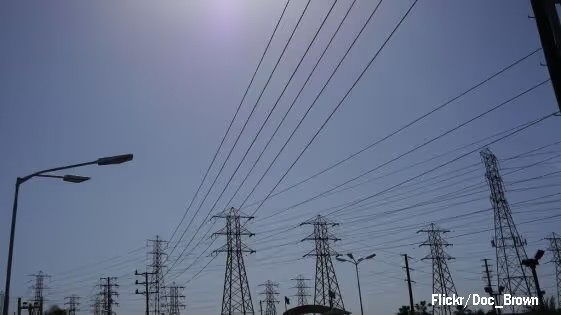
Escaping the subsidy-quality trap in India’s retail electricity market
Cross-subsidies in retail electricity tariffs leave distribution utilities with neither the incentive nor the capital to improve reliability, particularly for their most subsidised consumers. Using billing data from a private distribution company in Delhi, this article shows that while electricity price subsidies are relatively effective in improving the welfare of poorer residential consumers, reducing power prices for commercial and industrial consumers can help utilities raise more revenue and enhance service quality across the system.
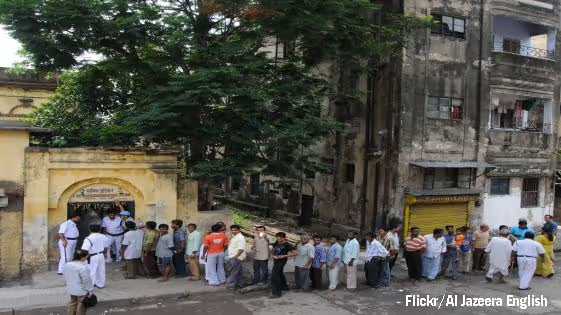
2021 West Bengal Assembly election: Did the Covid-19 surge matter?
In the recent Assembly elections in the state of West Bengal, the ruling Trinamool Congress bucked an anti-incumbency headwind to secure victory. Using electoral data from 2016, 2019, and 2021, Ghatak and Maitra analyse the change in vote shares of the contesting parties, examining the relative balance of pro- and anti-incumbency forces at work, aspects of gender and religious polarisation, as well as the impact of the Covid-19 surge.
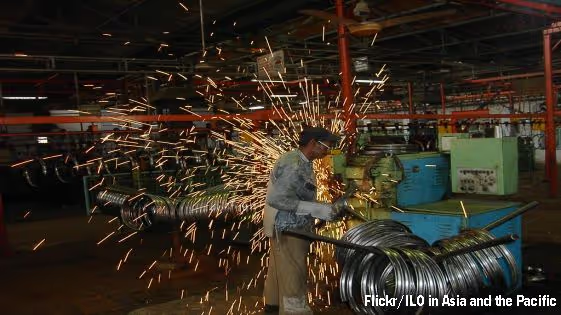
Rising industrial accidents: Fallout of boosting ‘Ease of Doing Business’?
India has witnessed a surge in severe fire and explosion-related accidents in industrial and commercial establishments, in recent years. In this post, R Nagaraj contends that perhaps the dilution – or rather the effective abolition – of industrial labour and safety regulations undertaken to boost India's rank in the World Bank's global index of Ease of Doing Business, may be the culprit.
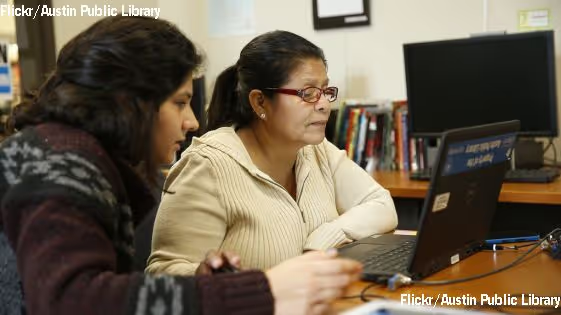
The digital dream: Upskilling India for the future
While the Covid-19 pandemic has accelerated the pace at which technology is becoming commonplace in our lives, it has also exposed a stark digital divide, leaving a large proportion of India’s population out of this paradigm shift. Using 2017-18 National Sample Survey data, Mumtaz and Mothkoor highlight variations in digital literacy across states and union territories of the country, and discuss government efforts in this context.
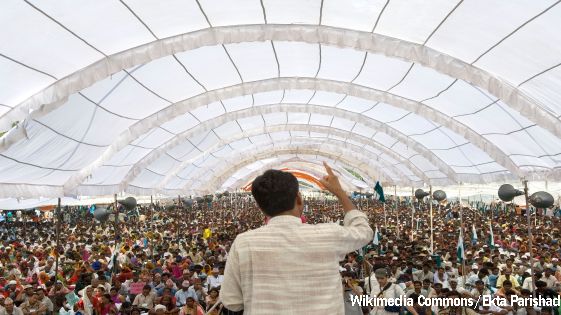
When criminality begets crime: The role of elected politicians
The criminalisation of politics has become a massive threat to society. While the impact of criminally accused leaders on economic outcomes has been studied in the literature, little is known about their effect on the crime environment of the jurisdiction. Analysing data from India for 2009-2018, this article shows that in districts with weak rule of law, an additional criminally accused leader leads to 64 more criminal cases.

Sign up to our newsletter to be notified about the latest updates
.svg)
Just One Step Away!
Complete your signup to start getting the latest news, stories, and updates delivered straight to your inbox.