
.svg)
.svg)
%201.svg)
%201.svg)
.svg)

.svg)
.svg)
.svg)
Night shift bans and female employment in Indian manufacturing
.svg)

.svg)
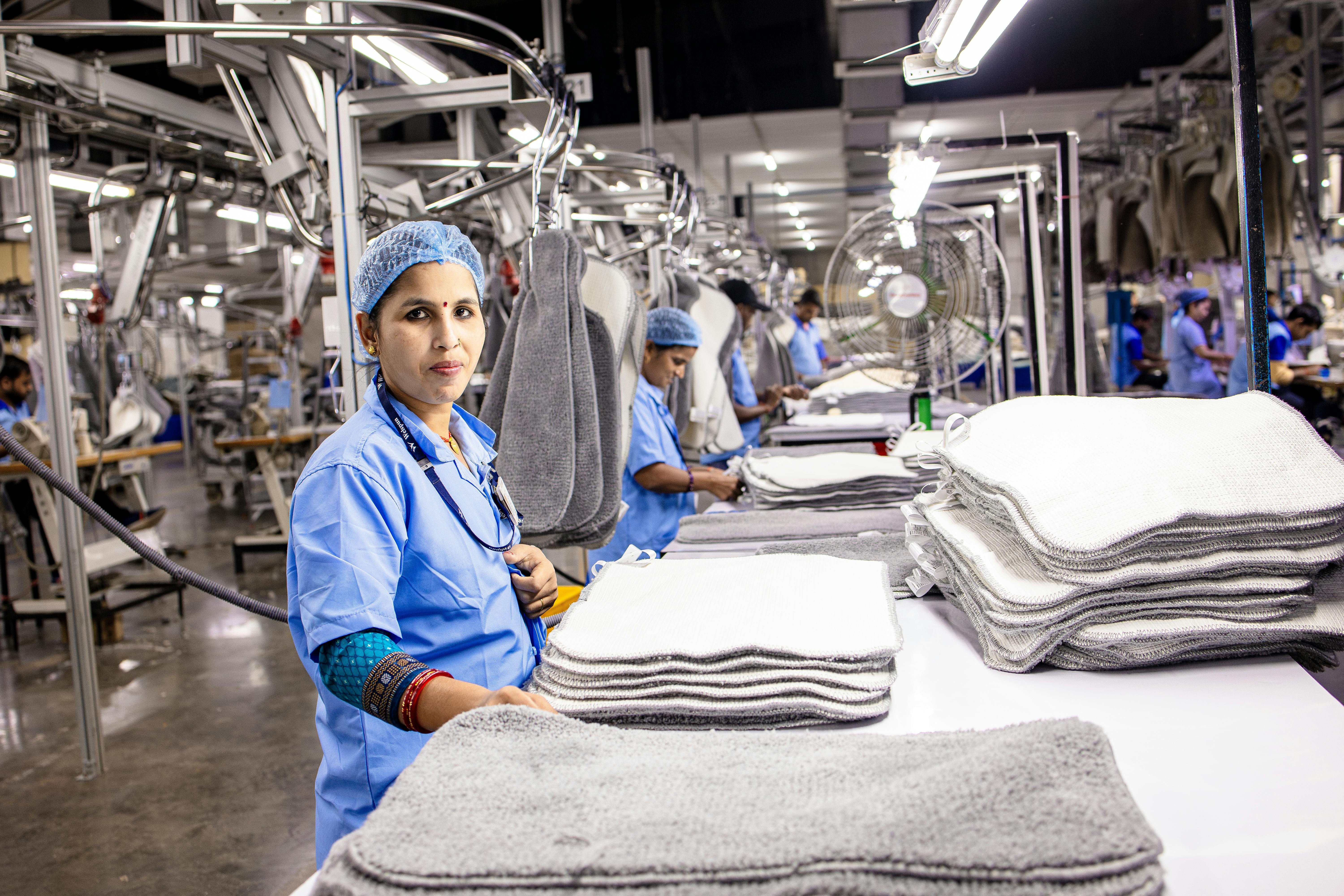



Productivity and Innovation
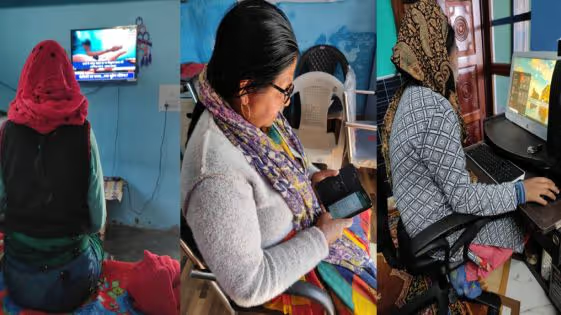
Mirroring realities: Digital technology through the eyes of women microentrepreneurs
The expansion of markets from physical spaces to e-commerce platforms during the pandemic widened the pre-existing digital gender divide in India. Employing the method of ‘auto-photography’, the team at SEWA Bharat asked women microentrepreneurs to capture their understanding of the term ‘digital’. They found that technology which may be commonplace in metropolitan areas, is significant and aspirational for the rural poor. Their findings bring forth a nuanced understanding of what digital empowerment looks like for women across the country.


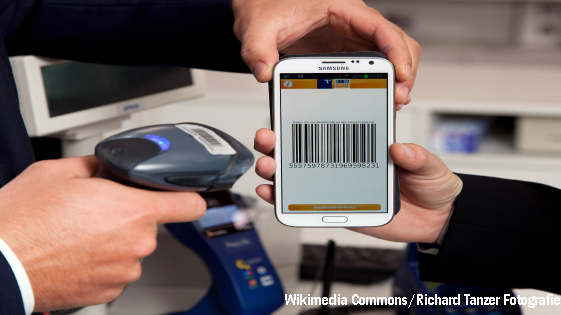
The role of political connections of firms during a crisis
Research has shown that political connections matter for a firm during times of economic crisis. This article refers to a unique data set of political connections of firms in India, and finds that firms can leverage these connections to access scarce resources. ‘Connected firms were able to increase access to short-term credit and delay payments owed in the aftermath of demonetisation, and reported higher income, sales and expenses as compared to non-connected firms.
Changing the frame: Making small firms compete like large ones
Although small firms have natural advantages, they face constraints when it comes to reach and scale; this prevents them from competing with larger firms. Pankaj Chandra shares business models from Italy, China, Japan, and various parts of India, where firms have become a part of a network that collectively acts as a large firm. These clusters allow firms to coordinate functions and collaborate in order to grow.
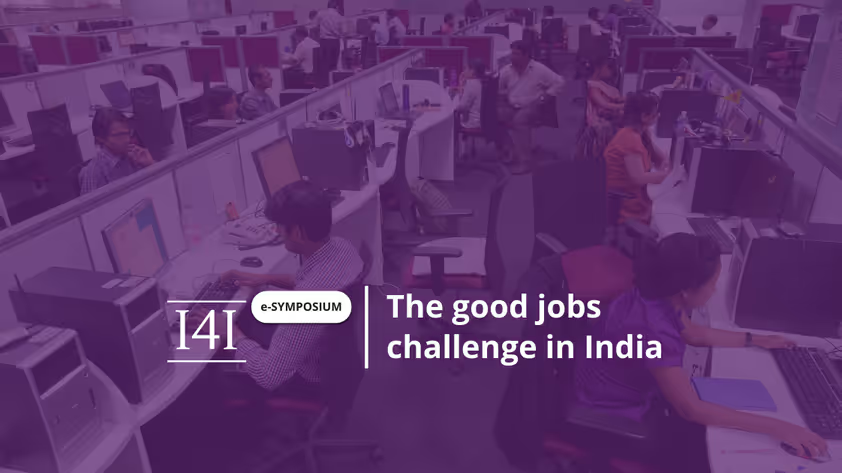
Introduction to e-Symposium: The good jobs challenge in India
One of the primary concerns for India is the question of jobs – specifically good quality jobs. Why has India lagged in creating opportunities for its working age population, and how different sectors can be leveraged to create good jobs? In this e-Symposium, anchored by Kunal Sen and Nirvikar Singh, six experts will weigh in on the different facets of the job-creation conundrum, from the perspective of the manufacturing sector, cities, trade, clusters, financing small firms, and the tradeable service sector.
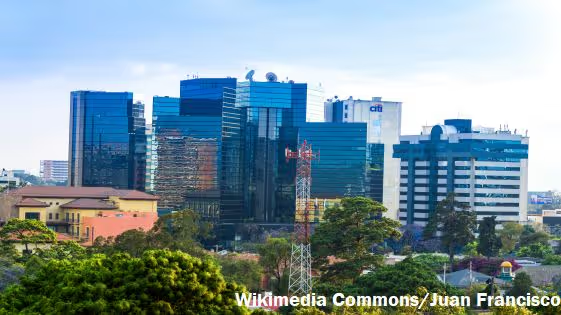
Barriers to upgrading in developing countries
In recent decades, several countries have seen rapid development, aided in part by the adoption of advanced technologies. In this post, Eric Verhoogen looks at recent research to highlight the factors that drive upgrading in developing-country firms. He identifies two factors that have a positive effect on upgrading – selling to richer consumers such as developed countries or MNCs, and increasing know-how by learning from consultants or other firms.
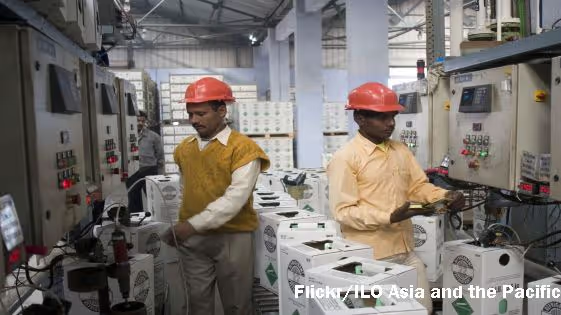
The effect of easing labour restrictions: Evidence on employment in Rajasthan
Stringent labour laws in India can hinder firms’ growth and increase the incidence of informal and contract employment. Looking at evidence from firms in Rajasthan after the amendment of the Industrial Disputes Act, this article finds that relaxing labour laws did not significantly affect total employment and output. Counterintuitively, it increased employment of contract workers and reduced the permanent workforce. The study however estimates that the implicit labour cost fell for firms impacted by the amendment.
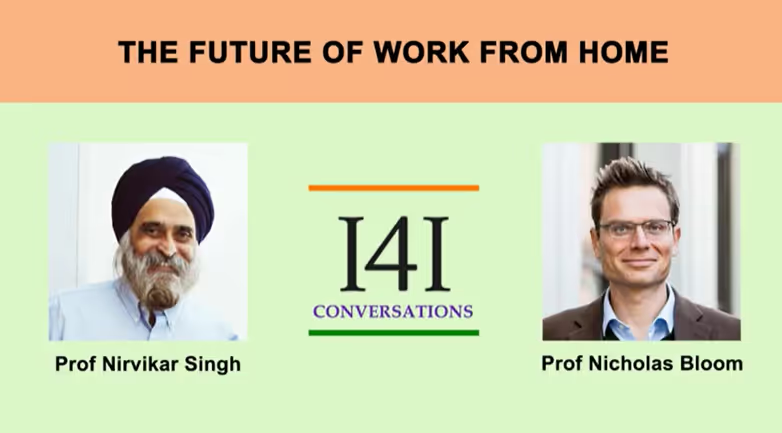
The future of work from home
With the outset of the Covid-19 pandemic, work from home became the norm in 2020. However, even though mobility restrictions have been lifted, many workplaces all over the world continue to follow a model of remote or hybrid working. This has raised questions about worker productivity, work-life balance, and the future of commuting and cities. In this edition of I4I Conversations, Prof. Nirvikar Singh (University of California, Santa Cruz) and Prof. Nicholas Bloom (Stanford University) talk about the future of work. They delve into Prof Bloom's seminal work on management practices and work from home prior to the pandemic. They discuss the effects of flexibility on productivity, happiness and building managerial capital. They go on to speak about trends in remote work over the last few years, and how that has differed across countries. This leads to further discussion about the impact on cities and the environment, as more people move to suburbs and commute to work. They also touch ..
The future of work from home
With the outset of the Covid-19 pandemic, work from home became the norm in 2020. However, even though mobility restrictions have been lifted, many workplaces all over the world continue to follow a model of remote or hybrid working. This has raised questions about worker productivity, work-life balance, and the future of commuting and cities. In this edition of I4I Conversations, Prof. Nirvikar Singh (University of California, Santa Cruz) and Prof. Nicholas Bloom (Stanford University) talk about the future of work. They delve into Prof Bloom's seminal work on management practices and work from home prior to the pandemic. They discuss the effects of flexibility on productivity, happiness and building managerial capital. They go on to speak about trends in remote work over the last few years, and how that has differed across countries. This leads to further discussion about the impact on cities and the environment, as more people move to suburbs and commute to work. They also touch ..

Birth versus worth: Impact of the caste system on entrepreneurship in India
The prevalence of the caste system has restricted social mobility in India. This article further looks at how caste disparities have contributed to the misallocation of resources across firms. It quantifies the differences in productivity and financial conditions for low- and high-caste entrepreneurs, and finds that this has macroeconomic implications on wealth and income inequality and aggregate total factor productivity

Sign up to our newsletter to be notified about the latest updates
.svg)
Just One Step Away!
Complete your signup to start getting the latest news, stories, and updates delivered straight to your inbox.